









 Fresh PCB Concepts: Don't Let Over-specification Come Back to Haunt You
 Elementary, Mr. Watson: A Nightmare on PCB Street
 Connect the Dots: Getting the PCB Quote Right





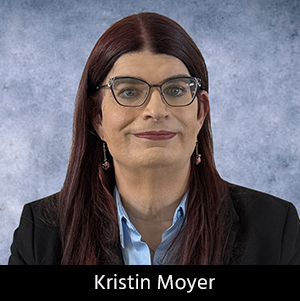
For Kristin Moyer, designing display electronics is all about scale. As displays shrink in size and grow in resolution, every engineering decision becomes more demanding. In this interview, the Global Electronics Association design instructor explains the strengths and limitations of today’s dominant display technologies—LCD and LED—as well as the emerging role of AR/VR displays. Kristin also explores the PCB design, manufacturability, and reliability challenges that accompany each.
Marcy LaRont: Kristin, display electronics have become part of nearly every product we use today. From a PCB designer’s perspective, what makes designing for displays different from designing for other types of boards?
Kristin Moyer: From an engineer's point of view, what's in the stadium LED is no different than what I design for a cellphone display; it's really a matter of scale.
LaRont: What are the categories of display electronics?
Moyer: The industry is really centered around two dominant categories—LCD and LED—with a third emerging category in AR/VR, like the type found in smart glasses, where the technology etched into the transparent medium provides the augmented reality. There is technically a fourth category, plasma displays, but that technology largely peaked two decades ago.
LaRont: Before we dive into the design challenges, give us a quick overview of today’s display technologies.
Moyer: LCD and LED displays solve the same problem in different ways. LCDs use a backlight and liquid crystals to control the light passing through the display, while LEDs generate their own light. From a design standpoint, the biggest difference is manufacturability. As displays become smaller and demand high resolutions, LEDs can be fabricated at much finer pitches than LCDs, making them the preferred technology for many modern applications.
To continue reading this interview, which appeared in the July 2026 I-Connect007 Magazine, click here.


