














 It’s Only Common Sense: When the Cheapest Board Becomes the Most Expensive
 The Chemical Connection: Employee and Operator Empowerment in the Age of AI
 The Big Picture: Not One, But Three Grey Rhinos





It’s Only Common Sense: Create Passion That Customers Feel
There’s something customers can feel almost immediately when they walk into a company, talk to a salesperson, visit a website, or spend five minutes with a leadership team: Passion. Just as importantly, they recognize when it’s missing.
You’ve probably experienced this yourself. You walk into one business, and the people there seem emotionally asleep. Nobody makes eye contact. Conversations feel robotic. The energy in the room feels heavier than a Monday morning staff meeting after the coffee machine breaks.
Then you walk into another company and everything feels different. People are smiling. Somebody is excitedly explaining a new idea. Employees seem genuinely interested in helping customers instead of simply surviving the workday. The whole place feels alive.
Passion is something customers don’t just see, and it really makes a difference, especially today, when customers have more choices than ever before.
In many industries, products eventually become similar: Technology catches up, competitors improve, features overlap, and pricing gets competitive. At some point, customers begin looking beyond the technical details and asking themselves a much more emotional question: Who do I actually want to work with?
That’s where passion changes everything.
People naturally want to work with companies that clearly care about what they’re doing. Customers are drawn toward energy the same way people are drawn toward good music, good restaurants, and interesting conversations. Passion creates momentum around a company. It makes people memorable.
I’ve seen this throughout my entire career.
The most successful salespeople I’ve ever met were rarely the pushiest. They weren’t constantly applying pressure or using manipulative closing tactics they learned from some sales seminar hosted at an airport hotel ballroom beside a breakfast buffet featuring suspicious scrambled eggs.
The best salespeople were excited and genuinely loved the products, technology, solutions, and customers they served. That excitement naturally came through in conversations. Customers trusted them because enthusiasm is difficult to fake convincingly for very long.
Pressure makes people defensive, but passion makes people curious. There’s a huge difference.
Think about the last time somebody talked to you about something they genuinely loved. Maybe it was music, fishing, motorcycles, cooking, architecture, woodworking, or some hobby you previously knew absolutely nothing about. Even if the topic itself wasn’t originally interesting to you, their excitement probably pulled you into the conversation anyway.
Passion transfers energy from one person to another, and in business, that energy becomes incredibly powerful because passionate people naturally create better customer experiences without even trying.
They go the extra mile automatically because they care, answer questions thoroughly because they enjoy helping, and stay curious about customer problems because solving those problems feels rewarding to them. Passionate people don’t usually need scripts reminding them to “deliver excellent customer service.” They naturally behave differently because they’re emotionally invested in the outcome.
I remember visiting a manufacturing company years ago where one engineer spent 20 minutes enthusiastically explaining a production process to a customer. Now, technically speaking, the customer probably only needed about four minutes of explanation. But the engineer loved what he was talking about. His excitement was contagious, and by the end of the conversation, the customer looked fascinated too.
Later, that customer told the company president, “If your people care this much about the details, I trust you’ll care about my project too.”
The difference between doing a job and loving the work becomes obvious over time. People who merely tolerate their jobs do enough to get through the day. People who love the work bring extra energy into everything they do. They notice opportunities others miss, solve problems faster, and keep learning because curiosity and passion stay alive.
Perhaps most importantly, passionate people make the workplace itself more enjoyable. People want to work around energized people.
Nobody wakes up excited to spend eight hours inside a building filled with emotional exhaustion and negativity. When employees feel connected to something meaningful, they become proud of their work. They share ideas more freely. Creativity increases because enthusiasm and innovation are closely connected.
If leaders act disconnected, bored, cynical, or constantly stressed, employees quickly absorb that atmosphere. But when leadership remains genuinely excited about the mission, the customers, the opportunities, and the future, that energy spreads too.
Now obviously passion alone isn’t enough. You still need competence and execution. You need quality, discipline, and accountability. Passion without performance eventually becomes exhausting optimism wrapped in motivational quotes.
But when passion and competence come together, you are more trusted and remembered, and your customers enjoy working with you. That matters far more than many businesses realize. That emotional connection becomes a competitive advantage, especially in industries where technical capabilities eventually start looking similar from company to company.
Something else I’ve noticed over the years is that passionate companies tend to stay more innovative because people who love what they do stay curious and keep experimenting. They keep trying to improve because excitement naturally pushes people toward creativity.
Companies without passion eventually drift into routine, where everything becomes mechanical, predictable, and safe. So, protect your passion. Remember why you started the business, celebrate the wins, keep learning, let employees contribute ideas, and enjoy what you do.
At the end of the day, passion is fuel for creativity, innovation, relationships, and customer loyalty. In a world filled with noise, pressure, automation, and endless competition, genuine passion may still be one of the most powerful advantages any company can have. That’s not complicated.
It’s only common sense.
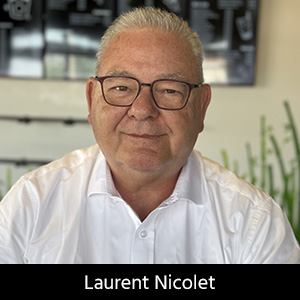
Dan Beaulieu is president of D.B. Management Group.


