








 Flex Connections: Material Selection in Nickel vs. Copper Tabs
 Flex Connections: Four Lessons in Engineering Judgment for PCB Designers
 Flexible Thinking: ‘Let There Be Light’–Emitting Diodes!


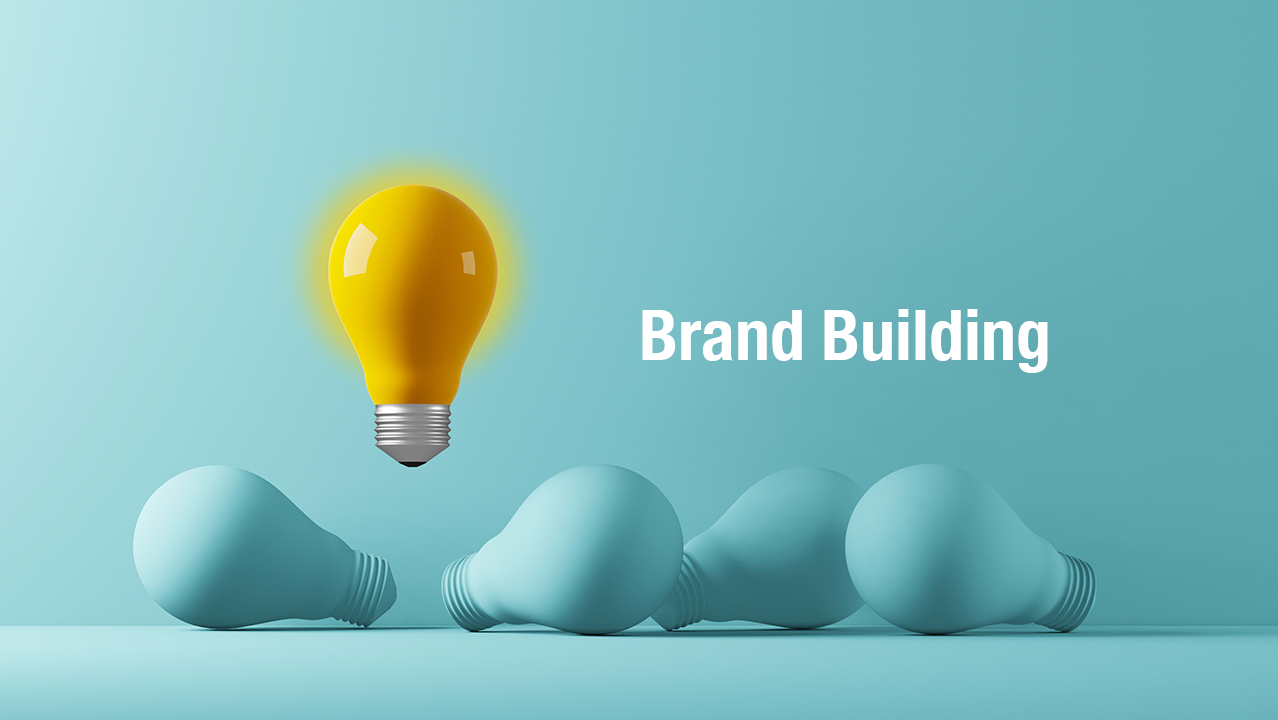


There are certain conversations you walk away from knowing you’ve just spoken with someone who truly understands where the electronics industry is headed. That was exactly my experience talking with PCB Technologies executive Issey Ende.
I was impressed by Issey’s deep understanding of what customers need. He speaks with the perspective of someone who has spent decades inside the industry, watching the transformation of PCB manufacturing into a highly complex global technology infrastructure.
PCB Technologies is not just another PCB fabricator competing on price and lead times. This is a company built around advanced technology, engineering expertise, and complete electronics manufacturing solutions. From high-end PCB fabrication and advanced IC packaging to full turnkey PCBA services, the company partners with those operating in aerospace, defense, medical, industrial, and high-reliability markets.
As we discussed topics ranging from advanced IC packaging and flex technologies to defense manufacturing, global supply chain strategy, and future growth plans, it became very clear that PCB Technologies is aggressively building toward the future while many companies are still trying to catch up to the present.
Dan Beaulieu: For those who may not be familiar with PCB Technologies, tell us about the company and what makes it unique.
Issey Ende: PCB Technologies is an all-in-one solutions provider focused on advanced electronics manufacturing. We specialize in high-end PCB fabrication, advanced IC packaging, and full turnkey PCBA services. Our strength is really our ability to support highly complex, high-reliability applications under one roof.
Today’s electronics are becoming smaller, faster, and more complicated. Customers need partners that can support advanced miniaturization, high-density interconnect technologies, flex and rigid-flex applications, RF and special materials, and complex assembly requirements. That is where PCB Technologies brings significant value.
We are not simply manufacturing boards. We are helping customers solve difficult engineering and manufacturing challenges.
Beaulieu: You have a very interesting background in the PCB industry. Tell us a little about your journey.
Ende: I started my career at a PCB manufacturing company and worked my way through the industry into executive leadership positions, eventually serving as vice president of sales and marketing.
As the Asian electronics manufacturing market began expanding rapidly in the mid-2000s, I relocated to the Far East where I managed regional operations selling AOI capital equipment into the PCB industry. Since then, I have held several executive leadership positions managing regional and global sales organizations throughout the electronics manufacturing ecosystem. Earlier this year, I accepted responsibility for growing PCB Technologies’ business throughout North America, which is an exciting opportunity because I believe the market is entering a major transition period.
Beaulieu: What is your overall philosophy when it comes to doing business?
Ende: Having a good product is essential, but that is not enough. You must also become a company that is easy to do business with. That means building customer-facing teams that act as trusted advisors rather than simply salespeople. It means developing strong relationships, providing excellent service, and providing technical support to customers throughout the process.
At the same time, those customer relationships must be supported internally by efficient systems, strong communication, and smooth operational execution. Customers today expect responsiveness, transparency, and reliability. If you cannot deliver that consistently, someone else will.
Beaulieu: How is the North American market different today?
Ende: Customers in North America place tremendous value on technical support, especially for new and highly complex product designs that may eventually scale into large-volume production.
At the same time, the market is heavily influenced by global geopolitical pressures and ongoing supply chain concerns. Companies are paying much closer attention to where products are manufactured, how secure supply chains are, and whether suppliers can support both domestic and global manufacturing strategies.
This creates opportunities for companies that can combine advanced technology with strong global operational flexibility.
Beaulieu: How do you see the market overall right now?
Ende: There is no question that the electronics manufacturing ecosystem has become heavily concentrated in the Far East over the past two decades. While global demand for electronics has grown dramatically, the availability of highly advanced manufacturing capability in North America has become far more limited. This is particularly true for high-end flex and rigid-flex PCB manufacturing, RF and microwave technologies, special materials, advanced packaging, and high-reliability PCBA services.
At the same time, manufacturers are dealing with rising raw material costs, energy costs, and geopolitical instability. All of this requires much stronger planning and supply chain management from OEMs. Customers need reliable partners who can provide technical expertise, manufacturing capability, and long-term operational stability.
Beaulieu: Why is now the right time for PCB Technologies to expand its presence in North America?
Ende: Because the demand is there. There is currently a shortage of suppliers capable of supporting advanced, high-reliability technologies at the level many OEMs now require. Lead times have increased, and technical support has become harder to find. Customers are looking for stronger engineering partnerships. PCB Technologies is very well positioned to help fill that gap with our capabilities in advanced PCB fabrication, IC packaging, flex and rigid-flex manufacturing, RF technologies, and complex PCBA solutions.
Beaulieu: Tell us about PCB Technologies globally.
Ende: Our headquarters are located in Israel, where we currently operate two PCBA facilities, one PCB manufacturing facility, and one IC packaging facility.
In addition, we maintain global supply partnerships throughout Europe and Asia, including Korea, Taiwan, Singapore, India, and China. We are also actively evaluating acquisition opportunities in both the United States and Europe as part of our long-term growth strategy.
Beaulieu: What makes PCB Technologies stand out from competitors?
Ende: Foremost, it is our people. We have a highly skilled team with deep technical knowledge and a very strong customer-focused culture. That combination is extremely important in today’s electronics market. When you combine that expertise with advanced manufacturing capabilities and strong operational execution, customers gain confidence. They know we can support highly complex products and deliver reliable results.
Beaulieu: Can PCB Technologies support defense and aerospace programs in the United States?
Ende: Absolutely. PCB Technologies is ITAR-certified and fully supports defense and aerospace customers in the United States. We have been serving highly sensitive and highly complex defense-related programs for many years. These industries require extremely high levels of reliability, traceability, process control, and confidentiality. That aligns very closely with our capabilities and our culture.
Beaulieu: What are your growth plans in the United States?
Ende: We are pursuing both organic growth and growth through mergers and acquisitions. Our primary focus is on increasing our market share in advanced flex, rigid-flex, RF, and special-material applications serving defense, aerospace, medical, and high-end industrial markets. At the same time, we can support customers requiring larger production volumes through our global manufacturing infrastructure in Asia and India. That flexibility is very valuable for customers trying to balance cost, technology, and supply chain strategy.
Beaulieu: Are you looking for partnerships in North America?
Ende: Yes. Building strong regional partnerships is very important to us. We are actively looking for sales and distribution partners that can help us strengthen our market presence and provide strong local support throughout North America.
Beaulieu: What types of customers and technologies are best suited for PCB Technologies?
Ende: More than 50% of our revenue currently comes from defense and aerospace applications, with the remainder primarily serving medical and advanced industrial customers. These are markets where reliability, advanced engineering, and technical manufacturing capability are absolutely critical.
Beaulieu: Where do you see PCB Technologies in the next five years?
Ende: Our goal is very aggressive growth. We believe we can grow the business five to 10 times over the next five years while gaining meaningful global market share. That growth will come from adding new customers, expanding existing customer relationships, investing in advanced technologies, and continuing to strengthen our global manufacturing and engineering capabilities.
Beaulieu: Issey, thanks for having this talk with me, and best of luck in your new position.
Issey: No problem, Dan. A pleasure as always. Thanks for the opportunity to talk about PCB Technologies.
Conclusion
After speaking with Issay, it was clear that PCB Technologies understands exactly where the future of electronics manufacturing is headed. The future belongs to companies capable of integrating advanced engineering, global manufacturing strategy, high-reliability execution, technical partnership, and customer-focused support into one seamless solution.
At a time when supply chain security, advanced packaging, miniaturization, aerospace reliability, and engineering collaboration are becoming increasingly critical, PCB Technologies is positioning itself not simply as a supplier, but as a long-term strategic manufacturing partner. Today, that difference matters more than ever.


