










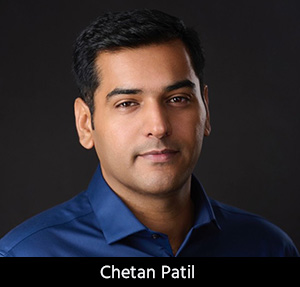


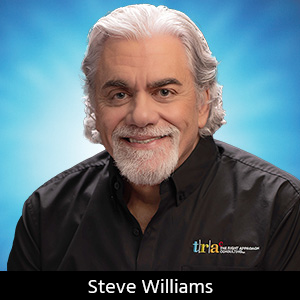
 The Right Approach: The Pros and Cons of PCB Vertical Integration
 American Made Advocacy: PCBAA’s Fifth Annual Meeting—Growing Membership and Valuable Relationships
 It's Only Common Sense: Why the Best Years of Electronics Are Still Ahead of Us





From its very inception, standards development has been at the core of the Global Electronics Association’s work, and APEX EXPO continues to serve as a major venue for standards development and approval. For example, standards committees from around the globe are expected to conduct more than 100 task group meetings during the event. We visited with the Association’s standards development team to learn more about their process, its impact on the industry, and how you can get your voice heard.
At the table:
- Teresa Rowe, Senior Director, Industry Standards
- John Perry, Director, Printed Board Standards and Technology
- Orsi Alis, Project Coordinator, Standards and Translations
- Kieron Roberson, IPC Standards Coordinator
- Deb Obitz, Technical Program Manager
- Andres Ojalill, Standards Manager
- Fran Fourcade, Electronics Technology Standards Manager
- Chris Jorgensen, Senior Director, Next-Generation Standards
Nolan Johnson: Welcome, everyone, and thank you for joining us. Teresa, when you consider the skill set and personality required to work in standards development, what do you look for and why?
Teresa Rowe: It's curiosity, creativity, character, and courage. Standards developers, whether they are volunteers or staff liaisons, share the same passion for the electronics industry and a commitment to working together as a team to serve it. They may have knowledge of design, testing, manufacturing, or training, but they all want to provide the best information they can to the industry to provide industry-consensus documents that help build products that protect us and make our lives easier.
When we ask a task group to come together and work on a project, every idea and comment, no matter what it is, is addressed. Everyone's voice counts. So, no one working on a project should be hesitant.
The energy that flows in a standards development task group is as unique as the project itself. Just as our best sports teams or the most accomplished scientific teams do, we all share a vision and work together to achieve our goals.
Johnson: Teresa, what you do is very different than what we normally see in industry. I would like to gather the perspectives from your team. John, you've been working on standards for a long time. How have they changed over the years, and what does the future hold for standards?
To continue reading this interview, which originally appeared in the February 2026 SMT007 Magazine, click here.